Free indie rock type beat versus a licensed one and what actually works better for a release
Need articles like this for your video? They help promote it on YouTube and Google — order them in the Telegram bot @sat_sit_bot. The bot writes and publishes the articles itself (with your YouTube video embedded) on popular topical websites (no ads). Free trial — 50 articles.
· based on the channel GAXILLIC
Key takeaways
- A type beat is an instrumental built in the style of a known artist or era, sold or shared for other artists to write over.
- GAXILLIC's "Too Attached" is an indie x alternative rock type beat, free for non-profit use only.
- Commercial release on Spotify, YouTube Music or iTunes requires a purchased license from the producer's beatstore.
- The beatstore deal is buy 2 get 1 free on any license type; key and BPM are listed on each beat page.
- The instrumental features guitars composed and recorded by the producer himself, plus a separate sound kit store.
A type beat is an instrumental written in the style of a specific artist, era or subgenre so that another artist can write and record over it; the free ones are usually free only for non-profit use, and any release that earns money needs a paid license. GAXILLIC's "Too Attached" follows exactly that model: an indie x alternative rock type beat you can download and write to, with a commercial license available at the GAXILLIC BeatStars store when the song is ready to go out.
What a type beat actually is and why indie rock type beats exist
A type beat is a demo of a style: the producer picks a reference sound, builds the arrangement around it, and names the file after that reference so searching artists can find it. In indie and alternative rock the references are usually guitar-driven bands from the 2000s and 2010s, which is why the tags on "Too Attached" range from Smashing Pumpkins and Foo Fighters to The Smiths, Midwest emo and Y2K rock.
The format solves a real problem. A vocalist or rapper with a notebook full of hooks but no band can download an instrumental, record a take the same evening, and hear whether the idea works before booking studio time. For guitar-based genres this matters more than in trap, because the guitar tone, the drum bounce and the room sound carry most of the emotion, and those are the hardest parts to fake at home.
What a type beat is not: it is not a finished song, and it is not a claim on another artist's identity. It is a template with a mood attached.
Inside "Too Attached": guitars, bounce and the sad indie sound
The defining feature of "Too Attached" is that the guitars are composed and recorded by the producer rather than sampled from a pack. GAXILLIC states this directly in the description, and it explains the texture: real string noise, small timing imperfections, chord voicings that sit slightly behind the drums instead of quantized to the grid.
Listeners picked up on the rhythmic side first. Comments on the upload single out the hi-hats and "the bounce", which is the part of the arrangement that decides whether a guitar loop feels like a rock song or like a loop. The melody gets called beautiful and heavy on the heart in the same thread, and several listeners describe writing a love song or playing it on repeat while feeling low. That is the emotional target of the sad indie and Midwest emo corner of the market: melancholic but not slow, nostalgic but still moving.
Practical details that matter when you open the file:
- Key and BPM are published on the beatstore page for each beat, so check them before you write rather than guessing by ear.
- The arrangement is built to leave a vocal pocket, so the guitar carries the hook in the intro and steps back under the verse.
- Because the guitars are original recordings, the instrumental does not carry sample clearance risk from a borrowed record.
Free type beat versus a licensed type beat: what is better and when
The honest answer is that neither is better in general; the free version is better while you are testing ideas, and the licensed version is better the moment a song has a chance of earning anything. The two are the same audio file with different permissions.
Free use, as stated on "Too Attached", covers non-profit work: practice takes, demos, freestyles, a private link sent to friends. That is a genuinely useful tier, and it is why free alternative rock type beats drive so much writing.
Paid use covers distribution: Spotify, YouTube Music, iTunes and any other profit-making release. A license from the beatstore is what converts a demo into a release you can monetize without the producer filing a claim later.
A simple decision rule:
- If the file will never earn money and stays off streaming platforms, the free download is enough.
- If the song goes to distributors, gets monetized on video platforms, or is sold anywhere, buy the license first.
- If you are recording a full project, price the bundle rather than single licenses, because the store runs a buy 2 get 1 free deal on any license type.
How to write and record over an indie x alternative rock type beat
Start with the guitar hook, not the drums. In this style the listener remembers the riff, and the riff is already there in the beat, so your job is to answer it with a vocal melody that leaves space between phrases rather than filling every bar.
A workable order of operations:
- Confirm key and BPM from the beat page and set the session tempo to match exactly.
- Map the arrangement sections before writing lyrics, so the verse and chorus melodies are deliberately different.
- Track a scratch vocal over the full beat, then re-record with the instrumental two or three decibels lower than feels natural; guitar-led beats mask consonants easily.
- Double the chorus vocal and keep the verse single for contrast, which is standard in alternative rock mixing.
- If the song will be released, sort the license before mixing, not after mastering.
For anyone producing rather than writing, GAXILLIC also sells guitar presets, drum kits and loops through the sound kits store, which is the same tonal starting point used on his own beats.
Common listener questions about type beats answered by the beat itself
The recurring doubts around a beat like this are practical, not philosophical. The first is whether a free beat can be used on streaming platforms; it cannot, unless a license is purchased, and the description says so plainly. The second is whether a type beat can sound original enough to release; with recorded guitars and an original arrangement, the answer is yes, as long as the vocal and the songwriting are yours.
The third is about mood. Several listeners describe the track as healing music or as the first beat that made them feel something in a while, which raises the question of whether a sad instrumental limits you to sad songs. It does not: the same chord movement works for a restrained love song, a nostalgic mid-tempo track, or an upbeat vocal that contrasts with the backing, a common trick in alternative and indie pop.
The fourth is about tempo and key, and the fix is simply to read the beatstore page before opening your DAW.
Where to find the beat, the kits and the artwork
All official links for this release are collected here so nothing gets lost in a description box:
- Purchase the "Too Attached" license on BeatStars — key, BPM, license tiers and the buy 2 get 1 free deal.
- GAXILLIC sound kits — guitar presets, drum kits and loops used in the production.
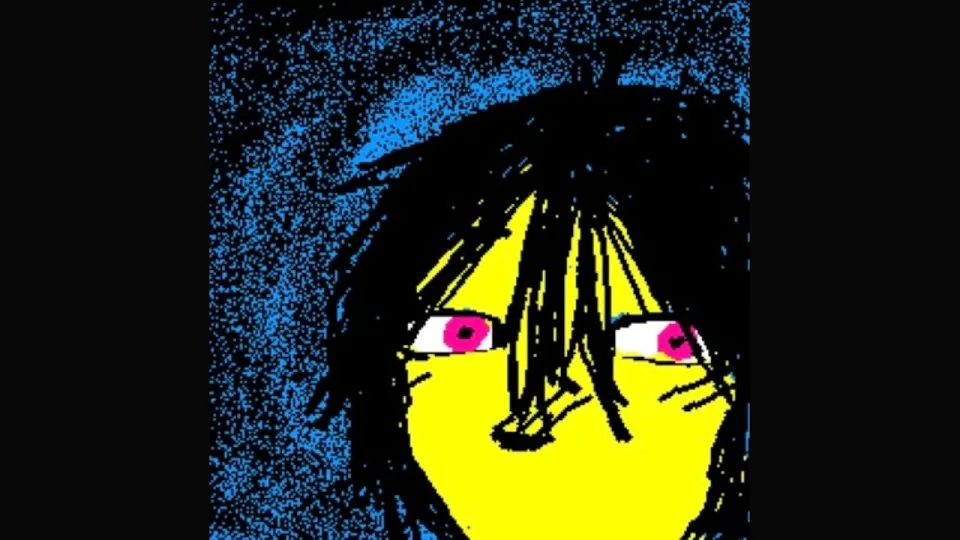
- Cover art reference on Pinterest — the visual direction behind the upload.
Custom beats and bulk purchases are handled directly by the producer via email at gaxdream@gmail.com, or on Instagram and Telegram under the handle @gaxillic.
Final verdict on free indie rock type beats
A free indie x alternative rock type beat is the cheapest way to find out whether a guitar-driven idea works before you spend anything on it, and "Too Attached" is a clean example of the format done with real recorded guitars rather than samples. The trade-off is straightforward: free covers non-profit use, and a license covers everything that earns money. If the song is going anywhere, take the second path and start at the GAXILLIC beatstore. The breakdown above comes from the GAXILLIC channel, which produced and released the instrumental.
Questions & answers
Can I release a song on a free type beat on Spotify?
No. A free type beat is normally limited to non-profit use, which excludes Spotify, YouTube Music, iTunes and any monetized release. To distribute a song over "Too Attached" you need to buy a license from the producer's beatstore first.
Is a type beat the same as a stolen or sampled instrumental?
Not in this case. The guitars on "Too Attached" were composed and recorded by the producer, so the instrumental is an original recording rather than a borrowed sample. A type beat only describes the style it references, not the source of the audio.
Do I need to know the key and BPM before writing?
Yes, and you do not have to guess. Key and BPM are listed on the beatstore page for each beat, so set your session to that tempo and write in that key to avoid pitching or time-stretching the instrumental later.
Can a sad indie rock beat work for an upbeat song?
It can. Melancholic chord progressions pair well with faster, brighter vocal deliveries, a common contrast in alternative and indie pop. The mood of the guitar sets a frame, and the vocal decides how the song reads.
Source: [FREE] Indie x Alternative Rock Type Beat "Too Attached" · Markdown version