Detroit beat delivers that gritty Rio Da Yung OG and Babyfxce E bounce you can rap on today
Need articles like this for your video? They help promote it on YouTube and Google — order them in the Telegram bot @sat_sit_bot. The bot writes and publishes the articles itself (with your YouTube video embedded) on popular topical websites (no ads). Free trial — 50 articles.
· based on the channel Reuel StopPlaying
Key takeaways
- Detroit beat is built on fast, skittering hi-hats, punchy 808s and dark minor-key piano or bell loops at roughly 140–160 BPM.
- Rio Da Yung OG and Babyfxce E both rhyme in that off-kilter, conversational pocket the Flint and Detroit scenes share.
- The "She Goin" instrumental from Reuel StopPlaying is free for non-profit use only, with written credit required.
- Commercial or for-profit use needs a non-exclusive or exclusive license bought through the producer.
- Buying the beat is done through the link in the video description, not by screen-recording the stream.
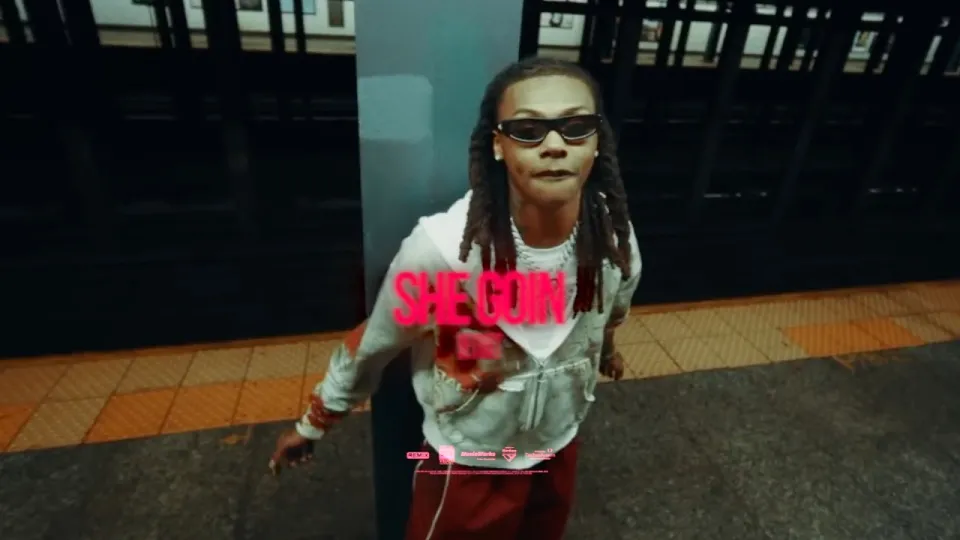
A Detroit beat is a rap instrumental built on fast, skittering hi-hats, hard-hitting 808s and a dark, minor-key melody, usually sitting between 140 and 160 BPM, and it is the sound that carries Rio Da Yung OG and Babyfxce E style records. The "She Goin" type beat from producer Reuel StopPlaying is a working example of that formula, free for non-profit use and available for licensing through the beat purchase link. If you want to rap over it, the practical path is simple: download it, record, credit the producer in writing, and only pay for a license if money is involved.
What actually defines the Detroit beat sound
The Detroit beat is less about one drum kit and more about a specific feel: busy, rattling percussion underneath a slow, heavy low end. Producers in the city and nearby Flint tend to build around a few consistent ingredients.
- Tempo in the 140–160 BPM range, often felt as a half-time groove so the rapper can sit back in the pocket.
- Hi-hat rolls and triplet patterns that move constantly, sometimes with open-hat accents landing off the grid.
- 808 bass that slides and punches rather than sustains, giving each bar a hard reset.
- Melodic loops that are dark and simple: minor piano chords, detuned bells, eerie synth plucks, occasional soul or gospel chops.
- Sparse arrangement that leaves mid-range space for a dense, conversational vocal delivery.
The result is a beat that sounds aggressive on cheap speakers and still knocks in a car, which is exactly why it travels so well on YouTube and streaming.
Rio Da Yung OG, Babyfxce E and the Flint–Detroit overlap
Rio Da Yung OG and Babyfxce E represent two ends of the same Michigan rap continuum, and a type beat aimed at both has to split the difference. Rio Da Yung OG comes out of Flint and is known for deadpan, off-the-cuff punchlines delivered in a loose, almost bored cadence. Babyfxce E brings a sharper, more animated pocket with the same refusal to sound scripted.
That means a usable Detroit type beat for these artists should:
- keep the melodic loop repetitive enough that a rapper can lock in without counting bars;
- avoid overcrowding the mid-range, because both artists stack ad-libs and punch-in heavily;
- leave clear gaps after every four or eight bars so the vocal can breathe;
- stay consistent in energy rather than building to a big drop, since the verses carry the track.
This is also why so many instrumentals get tagged as both "Detroit type beat" and "Flint type beat" — the scenes share producers, drum kits and slang, and the audience searches for both terms interchangeably.
How the free-use rules work on this beat
The "She Goin" instrumental is released as a free download, but free does not mean unrestricted. The producer's stated policy draws a clear line between promotion and profit.
Allowed without paying:
- free demos and promo CDs;
- uploading your song to YouTube, Facebook and similar streaming platforms;
- live shows where nobody is being paid.
Not allowed without a license:
- any for-profit release, including paid streams, monetized videos and commercial distribution;
- selling the beat or claiming it as your own.
Credit is mandatory in every case. The required written format is "Produced by (Producer Name) for SoundFirst Productions", placed in the video description, on physical copies and on any digital distribution. Where written credit is genuinely impossible, a recorded vocal credit is expected instead. Producers usually reserve the right to change these terms, so it is worth re-reading the description before a release.
Common questions rappers ask before recording
Most of the friction around type beats comes from the same handful of misunderstandings, and they are easy to clear up.
Is screen-recording the stream enough for non-profit use? It gets you a rough file, but it also captures the producer tag and any compression artifacts. A proper download gives you a clean instrumental, which matters the moment you try to mix vocals on top.
Can I buy the beat and have the video taken down? Licensing and takedowns are separate questions. Buying a non-exclusive license gives you the right to release your song; it does not automatically remove the producer's original upload. Exclusive deals are the ones that typically come with that kind of arrangement, and they cost far more.
What if I only want the 808 pattern? Producers generally do not sell stems or individual elements unless it is part of the license. If a specific drum sound is what you are after, the honest move is to ask directly rather than trying to isolate it from a stream.
How much does a beat like this cost? Pricing depends on the producer and the license tier, and it is always worth asking before you build a whole release around an instrumental. Non-exclusive leases are the cheap option; exclusives remove the beat from the market entirely.
Getting the most out of a Detroit type beat in your session
A Detroit beat rewards a specific recording approach, and small choices make a big difference in how finished the result sounds.
- Record your verses in short takes and punch in aggressively — the style is built on ad-libs and stacked lines, not one flawless pass.
- Keep your vocal dry and forward, with light compression and a short slap delay instead of long reverb tails.
- Double only the punchlines and the hook, not the entire verse, so the main vocal keeps its conversational edge.
- Leave the low end to the 808 — high-pass your vocal around 100 Hz so the bass and the voice stop fighting.
- Match your ad-lib volume to the main take rather than burying it; the ad-libs are part of the rhythm in this subgenre.
If you are writing to the "She Goin" instrumental specifically, its sparse arrangement means your flow has room to sit slightly behind the beat, which is exactly where Rio Da Yung OG and Babyfxce E style deliveries tend to land.
Useful links
- Buy or license the beat: https://bit.ly/2mxSONh
- Producer on Twitter: https://twitter.com/reuelethan
- Producer on Instagram: http://instagram.com/Reuelethan
Where this leaves you
A Detroit beat lives or dies on the drum pocket and the space left for the rapper, and the "She Goin" instrumental from Reuel StopPlaying nails both while staying free for non-profit work. Use it for demos and streams with proper written credit, and step up to a paid license the moment money enters the picture. The channel Reuel StopPlaying publishes these type beats regularly, so it is worth following if you want more Rio Da Yung OG and Babyfxce E style instrumentals in your rotation. Grab the beat through the purchase link, read the usage terms once more, and get the session started.
Questions & answers
Can I use this Detroit type beat for free on YouTube?
Yes, as long as the use is non-profit — a free demo, a personal upload or a non-paying live show. You must include the written credit "Produced by (Producer Name) for SoundFirst Productions" in your video description. If your video is monetized or the track is sold, you need a paid license.
Is screen-recording the beat from YouTube good enough to record over?
It works as a rough reference but it is not a clean file. You will capture the producer tag, streaming compression and any audio dropouts, which makes mixing vocals much harder. Downloading the instrumental properly gives you a usable file, and licensing it is what makes a release legitimate.
If I buy the beat, will the original YouTube video be removed?
Not necessarily. A standard non-exclusive license gives you permission to release your song while the producer keeps their own upload online. Removal of the original video is normally tied to an exclusive deal, which costs significantly more than a lease.
How much does a beat like this cost and where do I pay?
Pricing depends on the producer and the license tier, and it is best to confirm before you build a release around the instrumental. The purchase link in the video description is the official route, and the producer's email and social accounts are listed there for license questions.
Source: [FREE] “She Goin” - Rio Da Yung OG x Babyfxce E Type Beat | Detroit Type Beat · Markdown version